
Destinations
Small Island. Enormous Range. Every Region Worth the Visit.
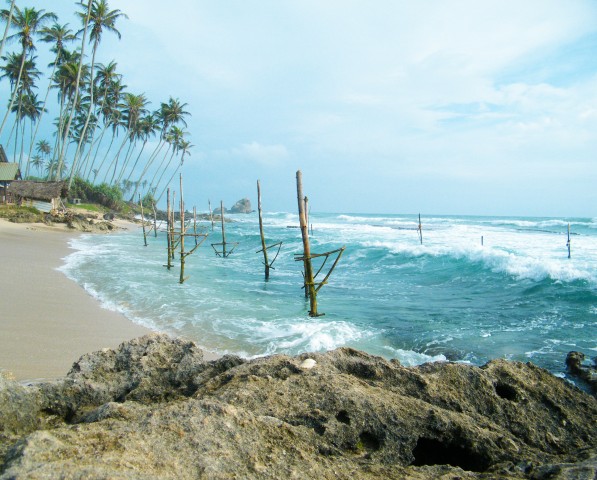
Sri Lanka compresses a remarkable variety of landscapes, histories, and natural environments into an island smaller than many individual provinces of its neighbouring countries. You can walk through ruins that were already ancient when the Roman Empire was flourishing. You can track leopards through scrubland a few hours’ drive from a beach where stilt fishermen have been casting lines from poles since the Second World War. You can drink tea grown on the same hillside you are standing on, at an altitude where the temperature drops twenty degrees below the coast you left that morning. Flight Ceylon Tours knows every region of this island well enough to show it to you properly.
Where Two Thousand Years of Civilisation Is Still Standing, Still Active, Still Remarkable.
Sri Lanka’s Cultural Triangle in the north-central plains and its highland cultural capital of Kandy hold some of the finest ancient and living heritage in Asia – cities and monuments that have outlasted empires, a sacred Buddhist relic that has been drawing pilgrims for fifteen centuries, and cave temples whose painted interiors have been continuously maintained and actively worshipped for over two millennia. Flight Ceylon Tours covers every major heritage destination in the island’s cultural landscape with guides whose depth of knowledge transforms a site visit into a genuine historical encounter.
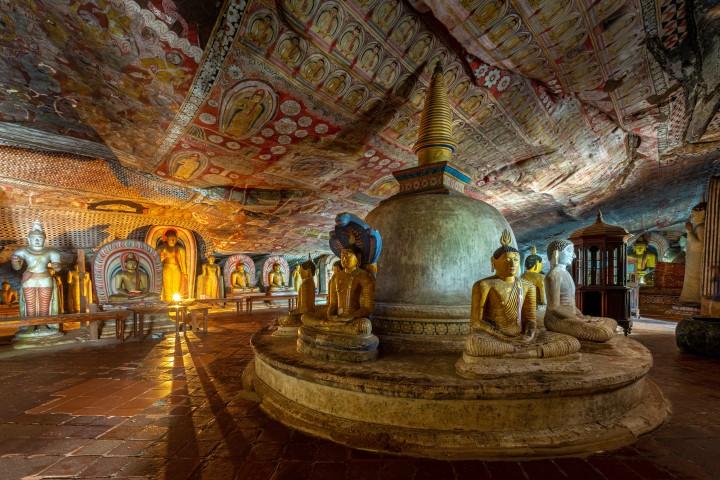
Dambulla
The five natural granite cave temples of Dambulla have been used as places of Buddhist worship and meditation for over 2,000 years, their interiors painted floor to ceiling in continuous cycles of iconography representing every period from the 1st century BCE to the present. More than 150 statues fill the cave spaces, several carved directly from the living rock, and the meditative atmosphere created by the combination of ancient art, devoted maintenance, and the particular quality of light filtering into the caves rewards the kind of unhurried attention that most visitors give it too little of.
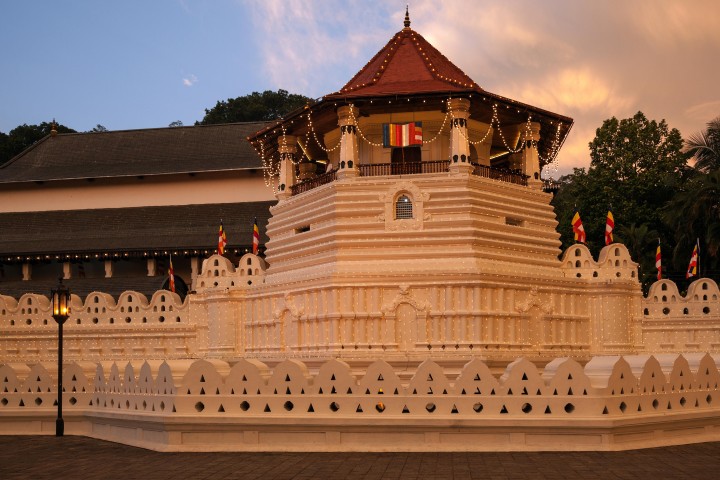
Kandy
The last royal capital of the Sinhalese kings and Sri Lanka’s living cultural heart – a highland city set around an artificial lake and presided over by the Sri Dalada Maligawa, the Temple of the Sacred Tooth Relic, which has been the most important Buddhist site in the world since it first received the Buddha’s tooth in the 4th century CE. Kandy’s Kandyan cultural traditions – its dance, its ceremonial arts, its temple rituals – were specifically preserved through the colonial period as acts of cultural resistance, which gives the city’s living heritage a particular historical depth and significance.
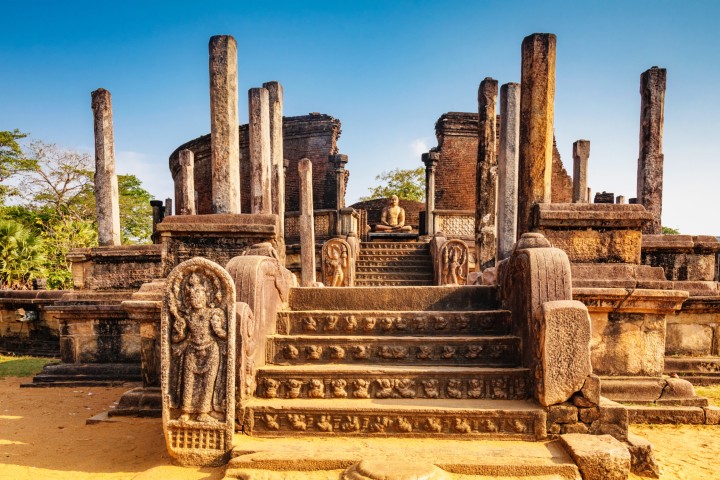
Polonnaruwa
The medieval capital that succeeded Anuradhapura as Sri Lanka’s royal centre produced some of the finest sculpture and architecture in the island’s history – the Gal Vihara’s four colossal Buddha figures carved from a single granite face in the 12th century represent one of the greatest achievements of Asian stone sculpture, and the compact, well-preserved royal quarter surrounding them rewards exploration by bicycle through the ancient tanks, temples, and palace ruins at whatever pace appeals. Polonnaruwa is the ancient city that most reliably delivers immediate visual impact.
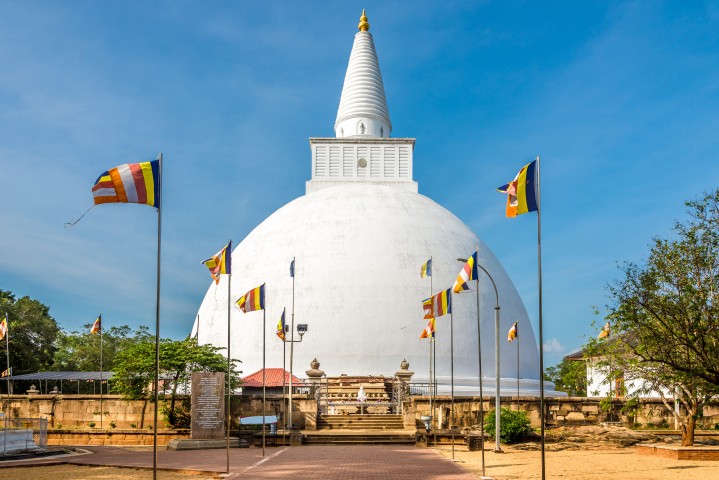
Anuradhapura
Sri Lanka’s oldest capital was the seat of government for over a thousand years and the spiritual centre of Theravada Buddhism across Asia for much of that period – producing towering brick stupas, vast monastic complexes, and the Sri Maha Bodhi, a fig tree grown from a cutting of the original Bodhi tree in 288 BCE that is the oldest documented living human-planted tree on earth. Anuradhapura is not simply a heritage site – it is an active pilgrimage destination visited daily by thousands of devout Buddhists, and the combination of monumental ancient architecture and living religious practice creates an atmosphere that is genuinely unlike anything elsewhere in the region.
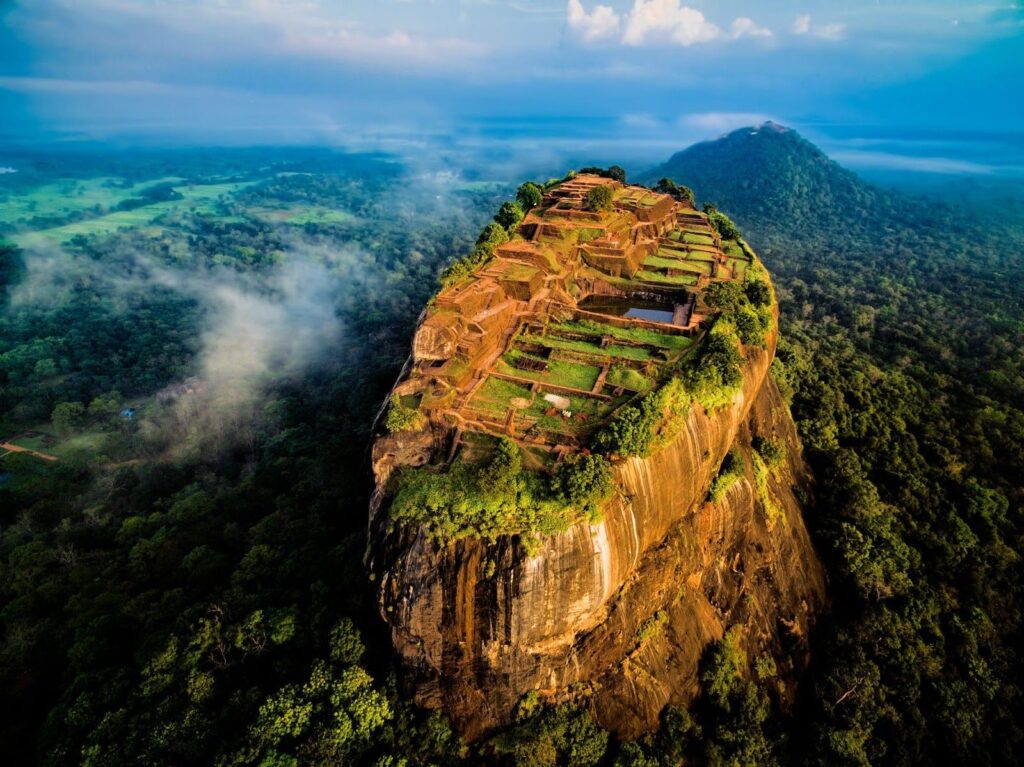
Sigiriya
The 5th-century sky palace built on a volcanic monolith 200 metres above the surrounding forest – ancient water gardens at the base, celestial maiden frescoes painted directly onto the cliff face mid-ascent, and a summit panorama across the Cultural Triangle plain that has been drawing admiring visitors since the 7th century CE when the first lines of praise were inscribed on the mirror wall below. There is nothing else like Sigiriya in South Asia, and the physical experience of ascending it – through garden, past fresco, through lion’s paws, to the summit – makes it the most immediately memorable single heritage experience on any Sri Lanka itinerary.
Two Coasts. Two Seasons. A Coastline That Never Runs Out of Character.
Sri Lanka’s coastline changes personality completely depending on which shore you are on and which month you are visiting – the southwest coast at its best between November and April, the east coast opening from May to September with some of the most pristine and uncrowded beach territory in Asia. From the Dutch canal heritage of Negombo and the colonial grandeur of Galle Fort to the surfable south coast bays and the crystal-clear waters of Passikudah, Flight Ceylon Tours programmes every coastal destination based on the right season and the right reason to be there.
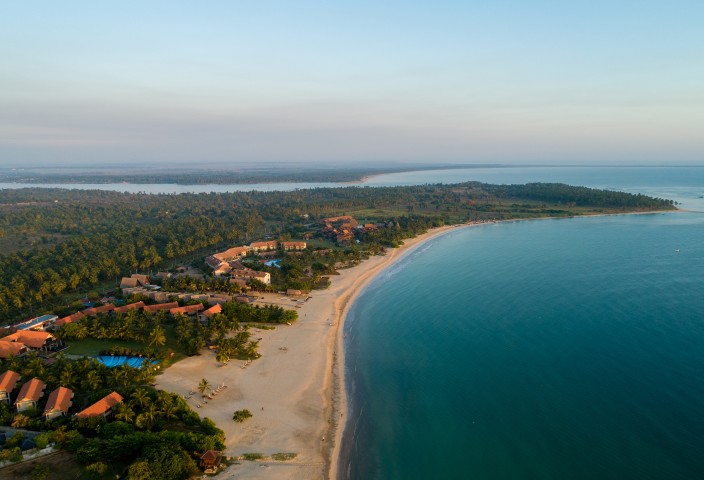
Passikudah
A vast, shallow bay of crystalline water on the east coast whose extraordinary clarity and gradual depth create the closest natural equivalent to an infinity pool available anywhere in Asia – the water remaining knee-deep for hundreds of metres offshore in conditions that make it safe, beautiful, and completely compelling for swimmers and snorkellers of all ability levels. Passikudah is the east coast’s most visually striking beach destination and its most consistently enjoyable.

Trincomalee
The east coast’s great natural harbour city sits above some of the finest white-sand beaches in Asia – Nilaveli and Uppuveli are wide, clear, and remarkably uncrowded even at the height of the May to September east coast season. The Koneswaram Temple on Swami Rock, dramatically positioned on a headland above the harbour, and the offshore whale watching season from Trincomalee add cultural and wildlife dimensions to a coastal destination that most travellers discover later than they should.

Arugam Bay
Sri Lanka’s east coast surf capital produces one of the best point breaks in Asia between May and October, and the town around it has the easy, welcoming energy of a place that has been making travellers feel at home for decades without being commercialised enough to lose its character. Beyond the surf, Kumana National Park is accessible to the south and the quiet coastal lagoons around Pottuvil offer an entirely different kind of east coast experience.
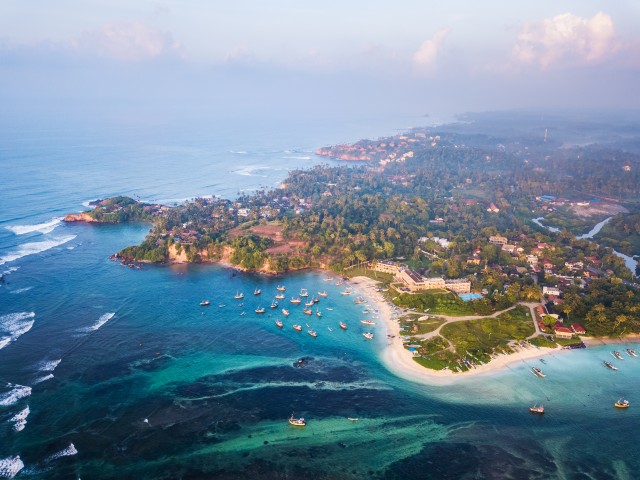
Weligama
Sri Lanka’s most welcoming surf town for beginners and intermediates – a wide, forgiving bay with consistent waves that produce more first-time surfers than anywhere else on the island, a relaxed food scene, and an easy social atmosphere that makes it a natural south coast base. The view from the beach includes the Taprobane Island property directly offshore, one of the most photographed private island villas in Asia.
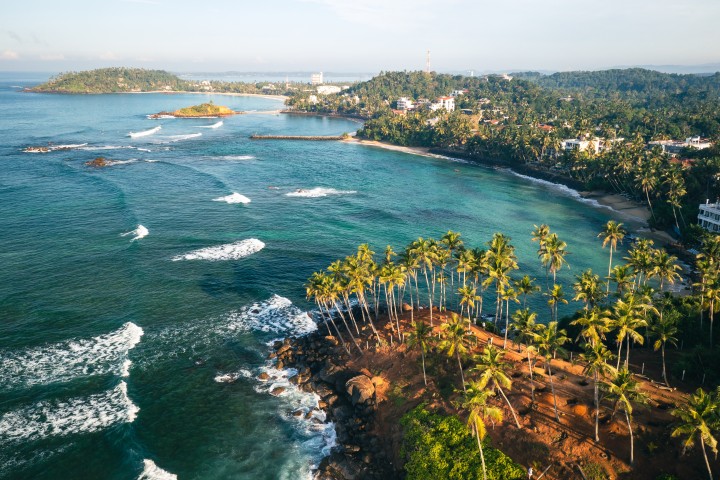
Mirissa
The south coast bay that delivers blue whales, sperm whales, and spinner dolphin super-pods between November and April in waters that are among the most biodiverse cetacean environments in the Indian Ocean – and then relaxes into one of the most naturally beautiful and unhurried beach towns on the southern shore for the rest of the season. Mirissa’s horseshoe bay, Coconut Tree Hill headland, and easygoing beachside character make it one of the south coast’s most rewarding stops in any month.

Galle
The 17th-century Dutch sea fortress on the southwest coast’s southernmost headland is the most complete colonial maritime fortress in Asia and one of the most genuinely atmospheric heritage environments in South Asia – its massive ramparts enclosing a living town of boutique hotels, independent cafes, galleries, and colonial-period architecture that make Galle Fort as enjoyable to spend time in as it is to photograph from the outside. The rampart walk at sunset, with the Indian Ocean visible from every vantage point on the circuit, is one of those experiences that earns its reputation every time.
Unawatuna
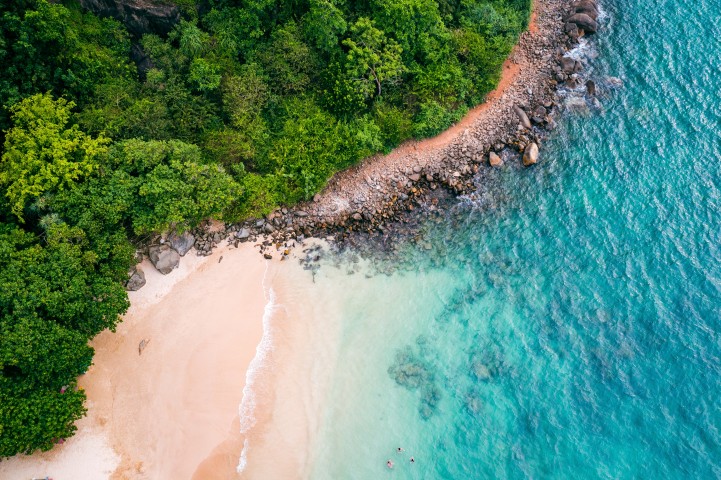
The sheltered horseshoe bay tucked south of Galle is one of those beaches that delivers precisely what its reputation promises – warm, reef-protected water that is genuinely good for swimming and snorkelling, a relaxed palm-shaded beachside atmosphere, and the proximity of Galle Fort just up the road to make a full cultural-and-coastal day one of the south coast’s most naturally satisfying combinations.
Hikkaduwa
The reef-fringed town that has been drawing snorkellers and divers to the southwest coast for decades – the Hikkaduwa National Park’s coral system supports marine turtles, parrotfish, and reef biodiversity in warm, accessible water alongside a beach town of genuine social energy and a consistent beginner surf break. Hikkaduwa works as a base, a half-day, or a full coastal immersion depending on what you need from it.
Bentota
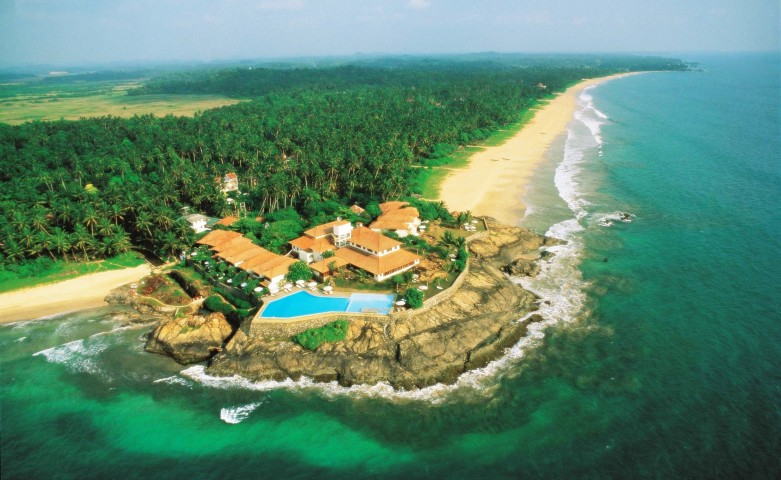
Sri Lanka’s most resort-developed west coast beach combines a long, clean stretch of gold sand with the Bentota River estuary – sheltered enough for water sports, beautiful enough for a genuine beach day, and positioned close enough to the Madu River wetland system to make it the most naturally varied coastal base on the southwest. The combination of active water sports and a quality beach in one location makes Bentota consistently one of the most satisfying west coast stops.
Negombo
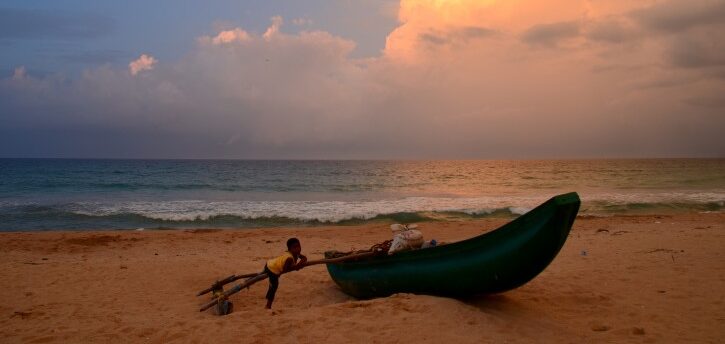
The gateway city that most travellers pass through in ten minutes deserves considerably more – a Dutch colonial canal town with centuries of Catholic church heritage, a working fishing community whose early-morning catch fills the best seafood restaurants on the west coast, and a lagoon that catches the sunset better than almost anywhere on the southwest shore. Negombo is a first impression worth making properly.
The Wildlife Is Better Than You're Expecting. Considerably Better.
Sri Lanka’s national parks consistently surprise visitors who arrive with calibrated expectations – the leopard density in Yala, the scale of the Minneriya Elephant Gathering, the genuine wilderness quality of Wilpattu, and the extraordinary endemism of Sinharaja all deliver at a level that wildlife-experienced travellers describe as comparable to the very best in Asia. Flight Ceylon Tours coordinates safaris with experienced trackers across all major parks, choosing the right timing, the right operator, and the right approach for each specific wildlife environment.

Sinharaja Rainforest
UNESCO-listed, internationally recognised as one of the most biodiverse forests on earth, and genuinely extraordinary to walk through with a specialist guide who knows it well. The mixed-species bird flocks unique to this forest – multiple endemic species moving together through the canopy in a coordinated foraging group – are one of Asia’s most remarkable birdwatching phenomena, and the overall biodiversity of the forest’s plant and animal life creates a nature experience of a depth and complexity that no national park game drive can replicate.
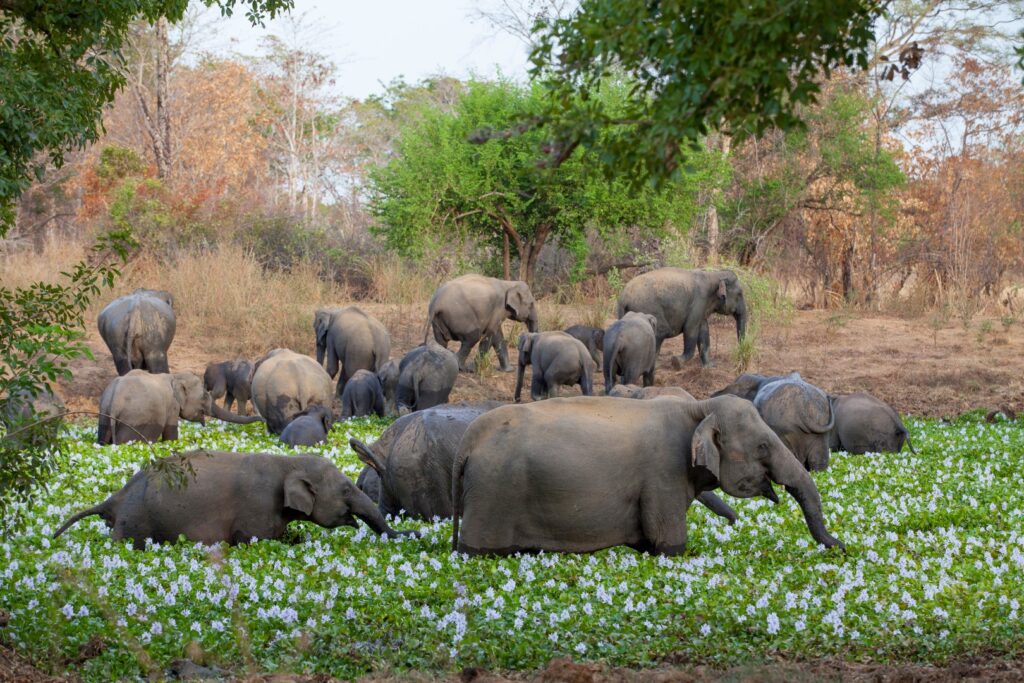
Wasgamuwa National Park
One of Sri Lanka’s genuinely remote and undervisited national parks – a large, forested sanctuary in the island’s central interior that supports substantial elephant and leopard populations alongside excellent endemic birdlife, all within a landscape of undisturbed forest and river valley that feels genuinely wild and genuinely removed from the tourist infrastructure of the more accessible southern parks. Wasgamuwa is for travellers who want the quality of the wildlife encounter without the company of a convoy.
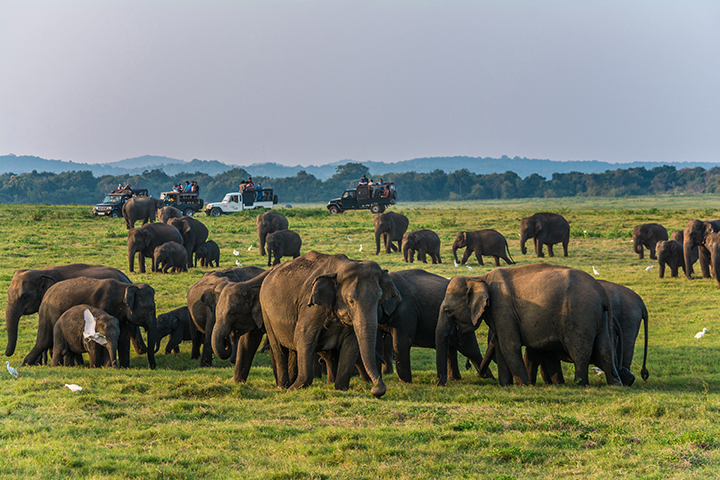
Minneriya National Park
The setting for the Elephant Gathering – when hundreds of wild Asian elephants converge on the ancient Minneriya Tank in the dry season, creating the largest wild elephant aggregation on earth. At the peak gathering period between August and September, gatherings exceeding two hundred individual elephants around the reservoir’s edge have been recorded in a single afternoon, and even outside the gathering season the park’s open tank landscape and reliable elephant herds make it one of the Cultural Triangle’s most rewarding wildlife destinations.
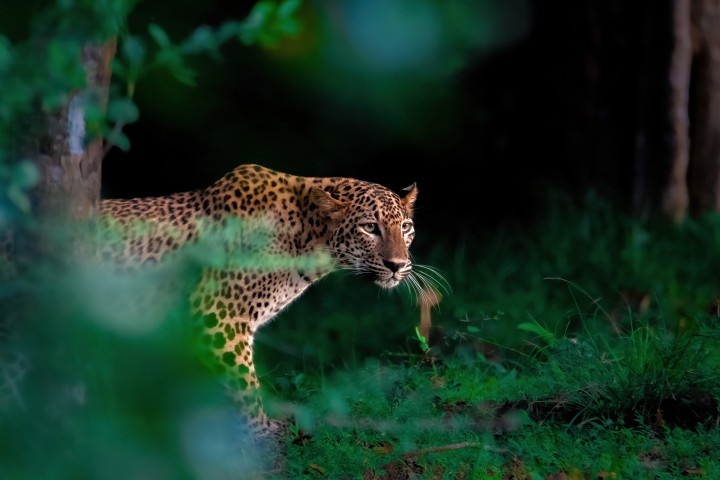
Wilpattu National Park
Sri Lanka’s largest park is built around a series of natural lake basins called villus – flat, open water bodies fringed by dense dry zone forest that draw remarkable concentrations of wildlife to their edges in a setting of genuine natural beauty and lower visitor density than the southern parks. Wilpattu’s leopards behave with a naturalness that crowded safari environments rarely allow, and the park’s combination of visual grandeur, genuine wilderness, and quality wildlife encounters makes it a consistent highlight for Flight Ceylon Tours guests who choose it over the more famous alternatives.
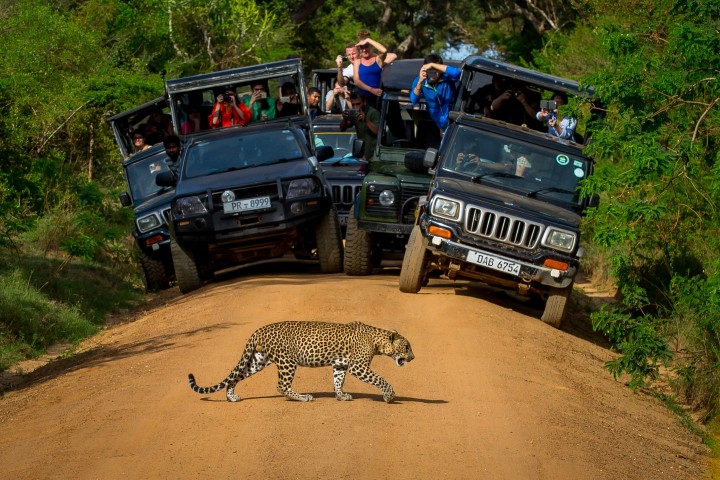
Yala National Park
The world’s most leopard-dense national park by area – a diverse landscape of scrub jungle, coastal lagoon, grassland, and rocky outcrop that supports extraordinary concentrations of leopards, elephants, sloth bears, crocodiles, and over 200 bird species in an environment that makes sustained, close-range wildlife encounters a realistic expectation rather than a hope. Morning game drives through Yala in the golden hour, when every surface is lit and the leopards are still moving through the undergrowth, consistently produce the most photographically and experientially rewarding wildlife hours of any Sri Lanka itinerary.
Go Up Into the Hills. Everything Looks Different From There.
Sri Lanka’s central highlands offer a completely different version of the island – cooler, greener, more atmospheric, and defined by the tea estates that have covered these hillsides since the 1860s and still produce some of the world’s finest Ceylon orange pekoe. The highland railway is among the most beautiful in Asia. The plateau viewpoints are genuinely dramatic. And the trekking available across the Pekoe Trail, the Knuckles Mountain Range, and the highland escarpments rewards any level of ambition from a morning’s walk to a multi-day expedition.
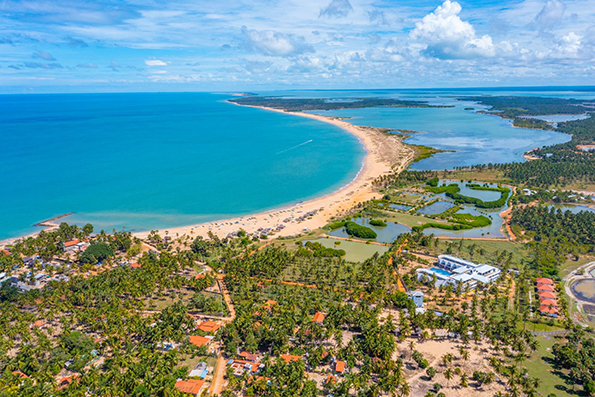
Kalpitiya
The northwest peninsula that has become the Indian Ocean’s premier kitesurfing destination and one of its finest locations for spinner dolphin encounters – enormous super-pods of hundreds and sometimes thousands of animals regularly encountered offshore in a setting of raw coastal beauty completely unlike the more developed resort areas of the south and west. Kalpitiya’s undeveloped peninsula character, its fishing village communities, and the extraordinary marine wildlife of its offshore waters make it one of Sri Lanka’s most genuinely frontier-feeling destinations.
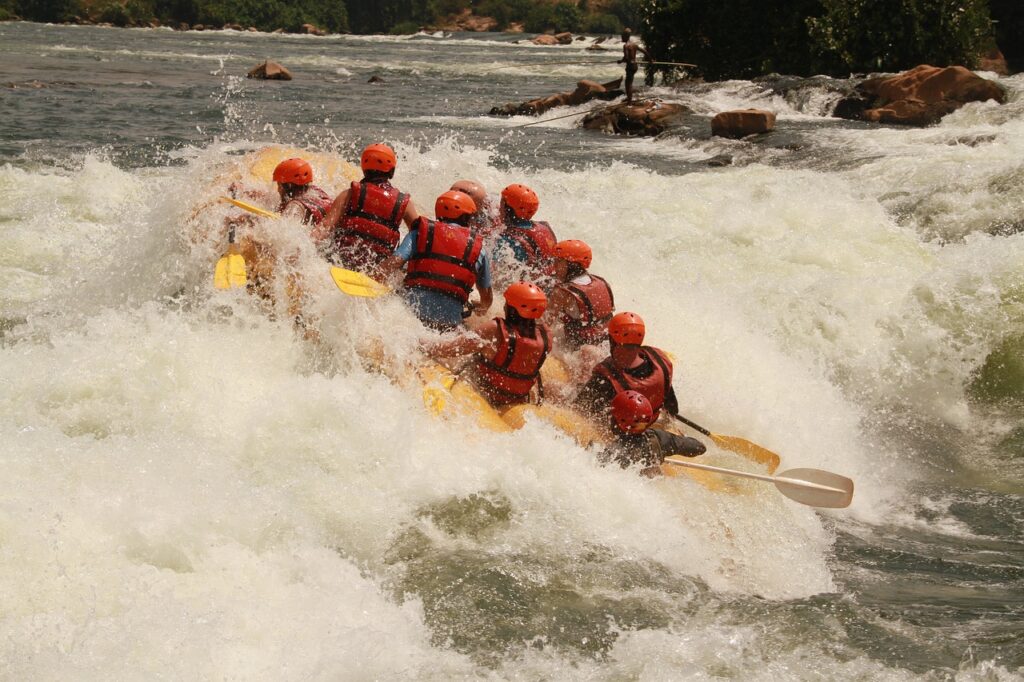
Kitulgala
The white water rafting destination on the Kelani River – Grade 2 and 3 rapids through a jungle gorge that was used as the filming location for the Bridge on the River Kwai, in a setting of lowland tropical forest that is outstanding for endemic birdwatching alongside the river adventure. Flight Ceylon Tours includes Kitulgala in its special interest itineraries both for the rafting and for the birdwatching quality of the surrounding forest, which supports several endemic species that are difficult to find elsewhere in the island’s lowland zone.
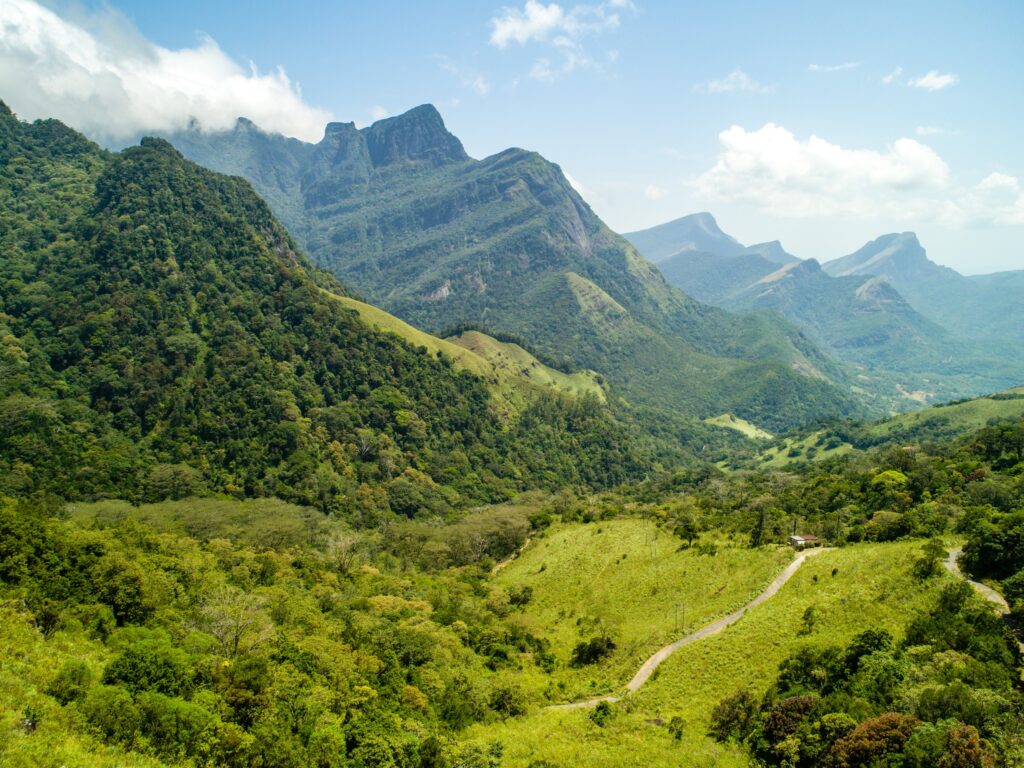
Knuckles Mountain Range
A UNESCO Biosphere Reserve of cloud forest ridges, endemic wildlife, traditional mountain villages, and multi-day trail systems through one of the most biologically rich highland areas in Sri Lanka. The Knuckles rewards multi-day engagement – two or three days of guided trekking through its cloud forests and village landscapes reveal a level of endemic biodiversity and genuine highland wildness that single-day visits barely begin to access. For Flight Ceylon Tours’ birdwatching expedition programme, the Knuckles provides some of the most productive highland habitat available on any Sri Lanka birding itinerary.

Horton Plains
The UNESCO-protected highland plateau at over 2,000 metres – an open montane landscape of grassland and cloud forest that ends abruptly at World’s End, the sheer cliff edge where the plateau drops nearly 900 metres to the southern lowland plains in the most dramatic single viewpoint in Sri Lanka. The circuit walk to World’s End and Baker’s Falls rewards the early start required to arrive before the daily cloud closes the view, and the highland wildlife and endemic birdlife along the trail add natural richness to a walk that needs no wildlife to justify the journey.
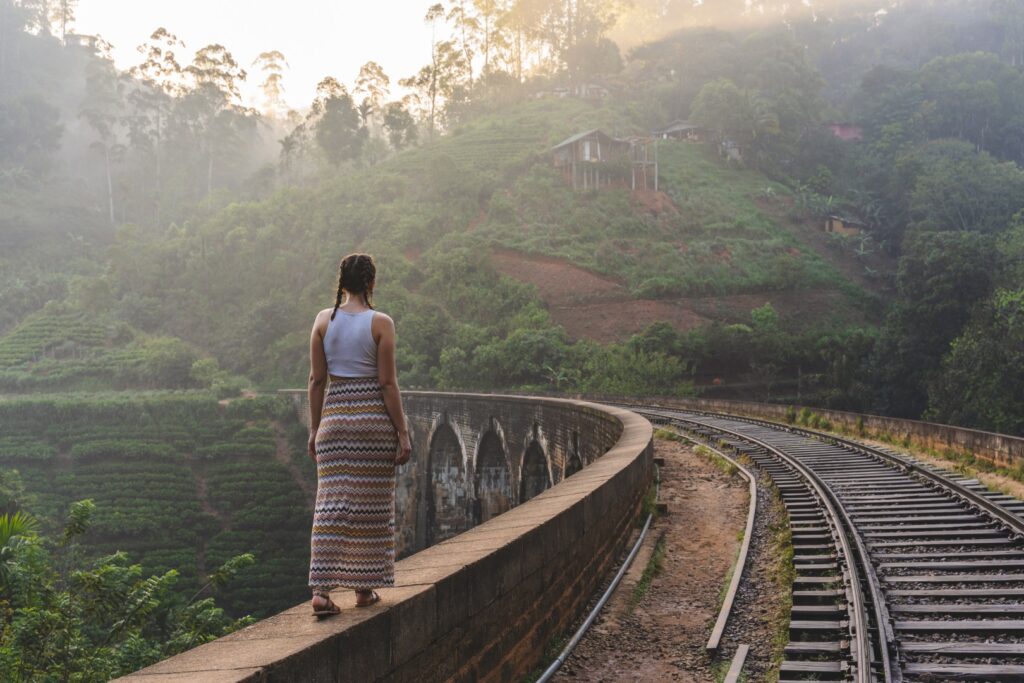
Ella
The hill country village that earns its reputation every single time – a small highland community positioned in a dramatic natural gap where the mountains open toward the southern plains, with the colonial-era Nine Arch Bridge nearby, Little Adam’s Peak’s easy hike to a panoramic ridge, and a relaxed cafe and food scene that makes staying an extra night an easy and consistently correct decision. Ella is one of those places where the sum of the setting, the scale, and the unhurried atmosphere consistently produces something more than the individual attractions warrant.
The Quieter Sri Lanka. No Less Extraordinary.
Some of the most rewarding destinations in Flight Ceylon Tours’ portfolio are the ones that don’t appear on the standard circuit – places that reward a slightly longer drive and a guide who knows the way with a quality of natural and ecological experience unavailable from any of the island’s more famous stops. These are destinations for travellers who want to understand what Sri Lanka is made of at a level below the surface, and they consistently produce the most genuinely memorable experiences of any journey that includes them.
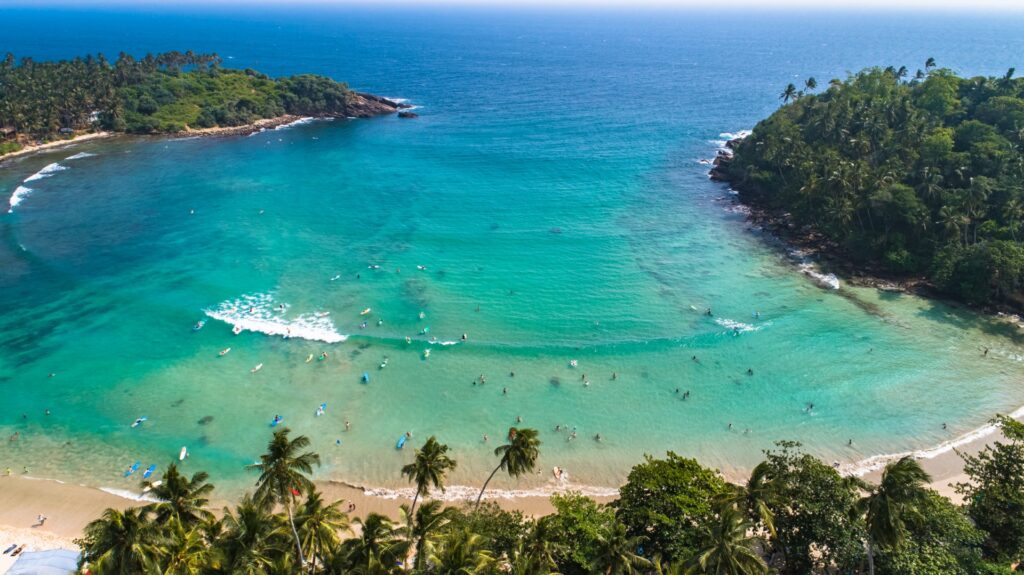
Hiriketiya
The near-perfect horseshoe bay on the deep south coast where jungle meets the shoreline and the surf is gentle enough for beginners without losing interest for more experienced surfers – a destination that retains the character of genuine coastal discovery despite growing steadily more popular. Hiriketiya is the kind of place that most travellers find by recommendation rather than by plan, and the fact that it still feels found rather than packaged is one of the most valuable things Flight Ceylon Tours can offer a guest who has seen a few versions of the standard circuit.
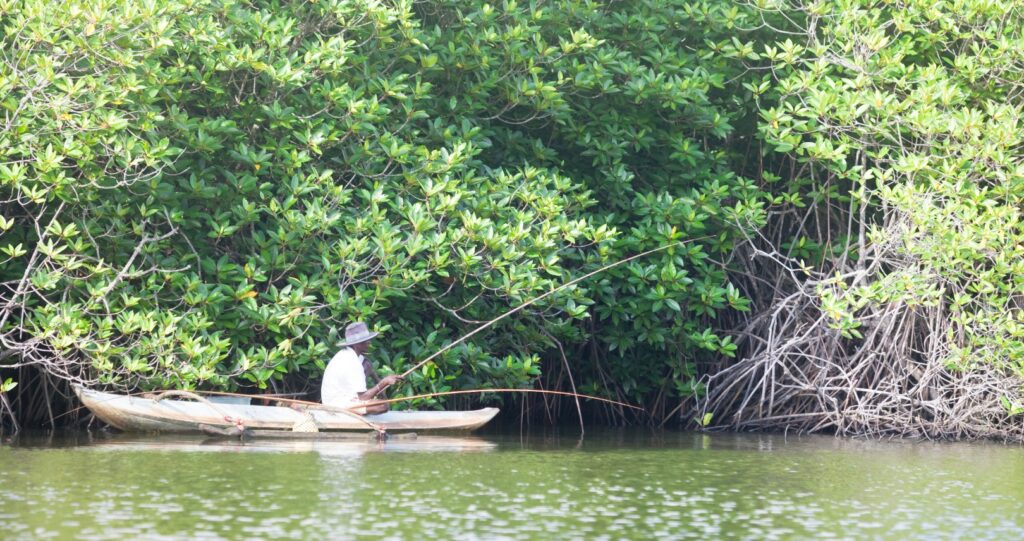
Madu River
The inland mangrove wetland system near Balapitiya on the southwest coast – a 900-hectare network of channels, small islands, and mangrove ecosystems explored by small motorboat in a slow, intimate nature encounter that is completely different in character from any safari drive or coastal beach stop. Cinnamon island, Buddhist temple island, kingfisher-filled mangrove tunnels, and natural fish therapy pools together create one of the most distinctive and reliably enjoyable half-day experiences on any south coast itinerary.
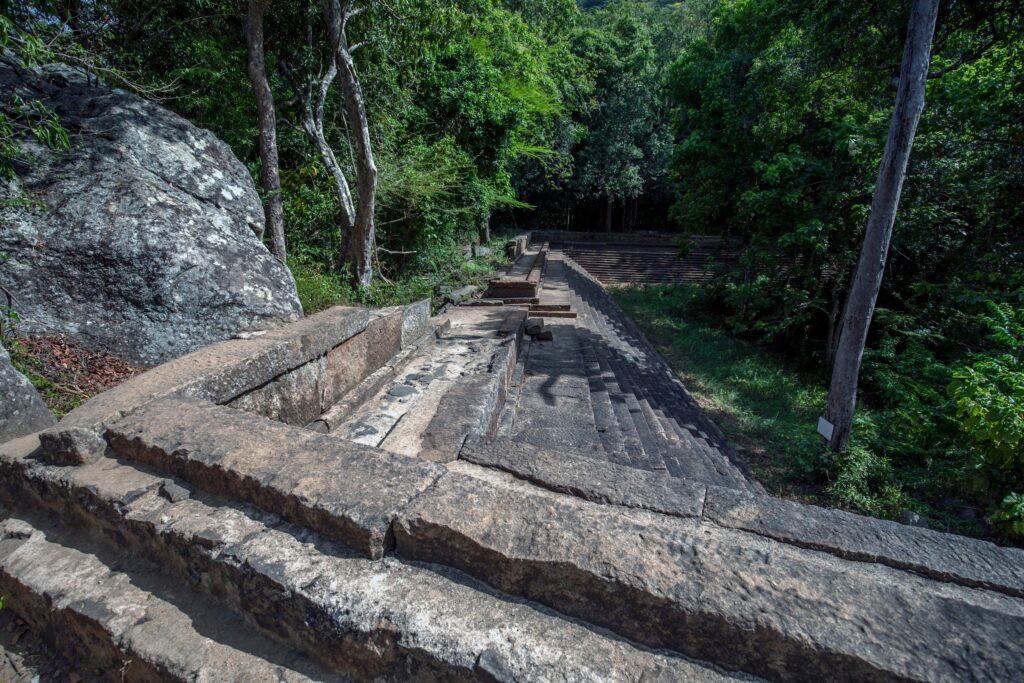
Ritigala Forest Monastery
An ancient Buddhist forest monastery built by ascetic monks in the 1st century BCE on a granite hillside deep in the dry zone interior – its stone pathways, meditation platforms, and bathing ponds now slowly reclaimed by one of Sri Lanka’s richest medicinal forest reserves. Ritigala takes effort to reach and rewards that effort with a sense of genuine discovery and an atmospheric antiquity that fully restored and managed heritage sites cannot replicate. Flight Ceylon Tours includes it specifically for guests who want to encounter Sri Lanka’s heritage in its most unmediated form.
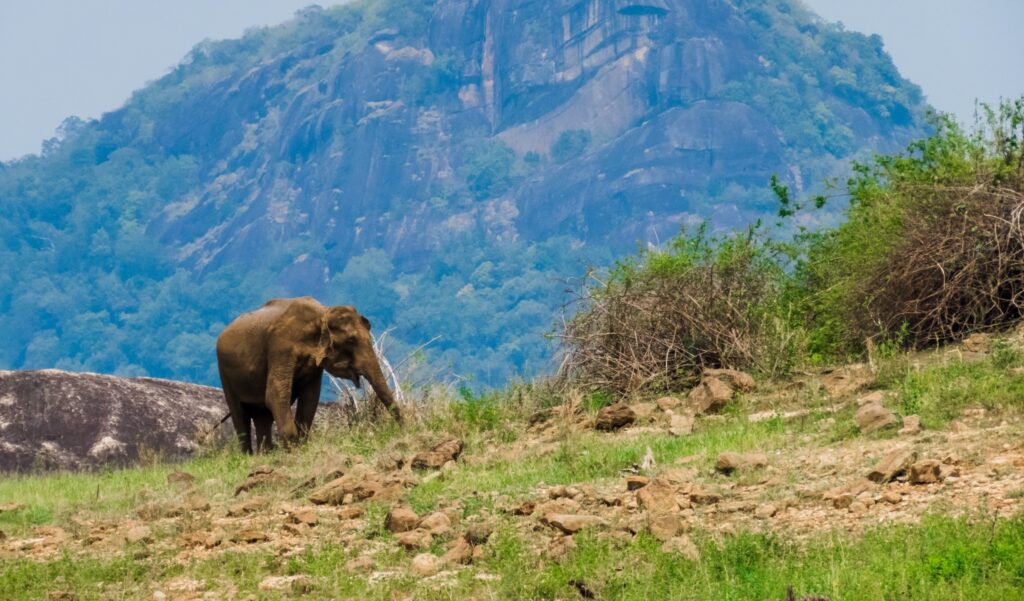
Gal Oya National Park
Sri Lanka’s most remote major national park is accessible primarily by boat on the vast Senanayake Samudra reservoir – and the boat safari experience of watching wild elephants swim between the reservoir’s islands is simply not available anywhere else in the world. The park’s extreme remoteness keeps visitor numbers very low, the wildlife encounters feel genuinely wild, and the experience of being on open water in a wilderness setting of this scale produces a quality of natural immersion that the jeep-accessible parks cannot match.

Nuwara Eliya
Sri Lanka’s highest city carries a peculiarly charming colonial highland atmosphere – Tudor architecture, rose gardens, a racetrack, and the most beautiful surrounding tea estate scenery in the country. The town functions as the gateway to Horton Plains and as the centrepiece of the tea country experience, and the quality of its highland air and its particular ‘Little England’ character make it one of those destinations that travellers find unexpectedly enjoyable regardless of their level of interest in either colonial history or tea.